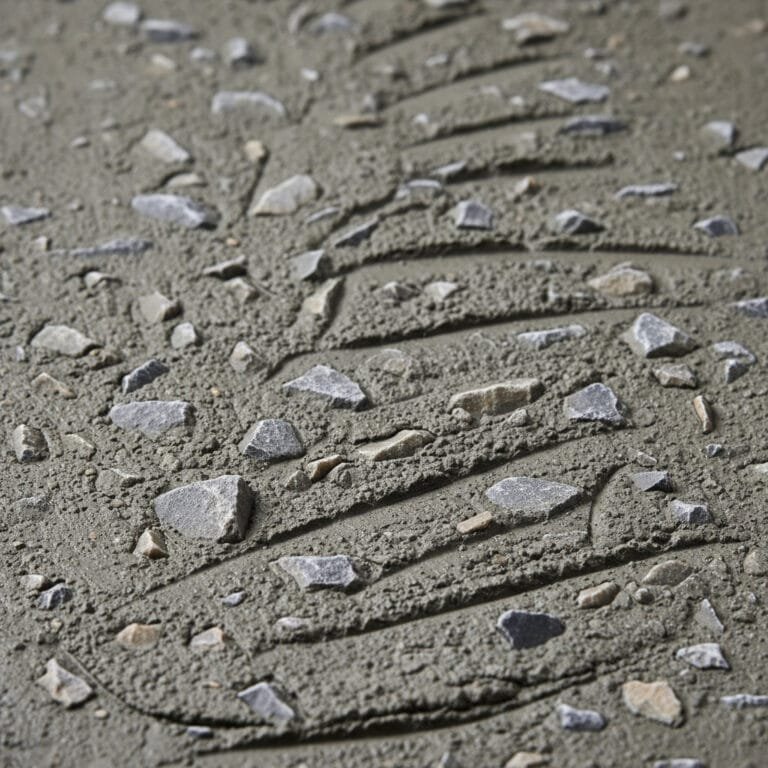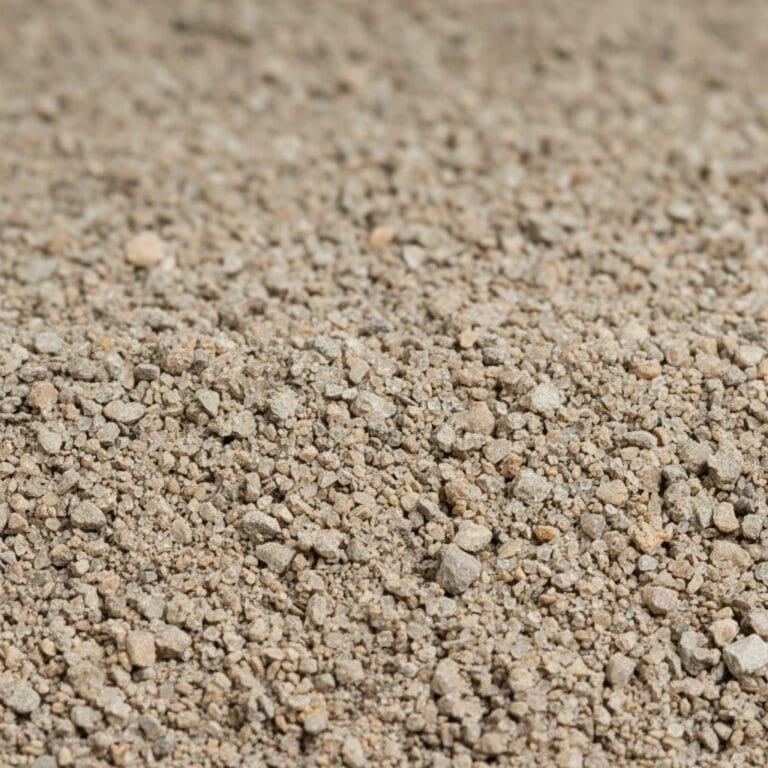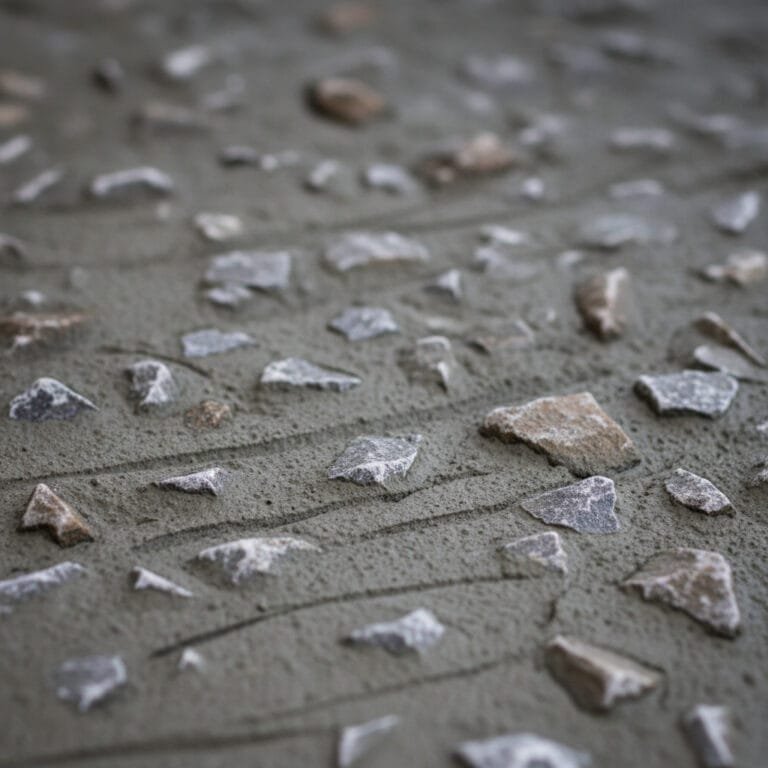
Factory-batched blinding concrete mixes with 20 mm aggregate, available from 15–32 MPa.
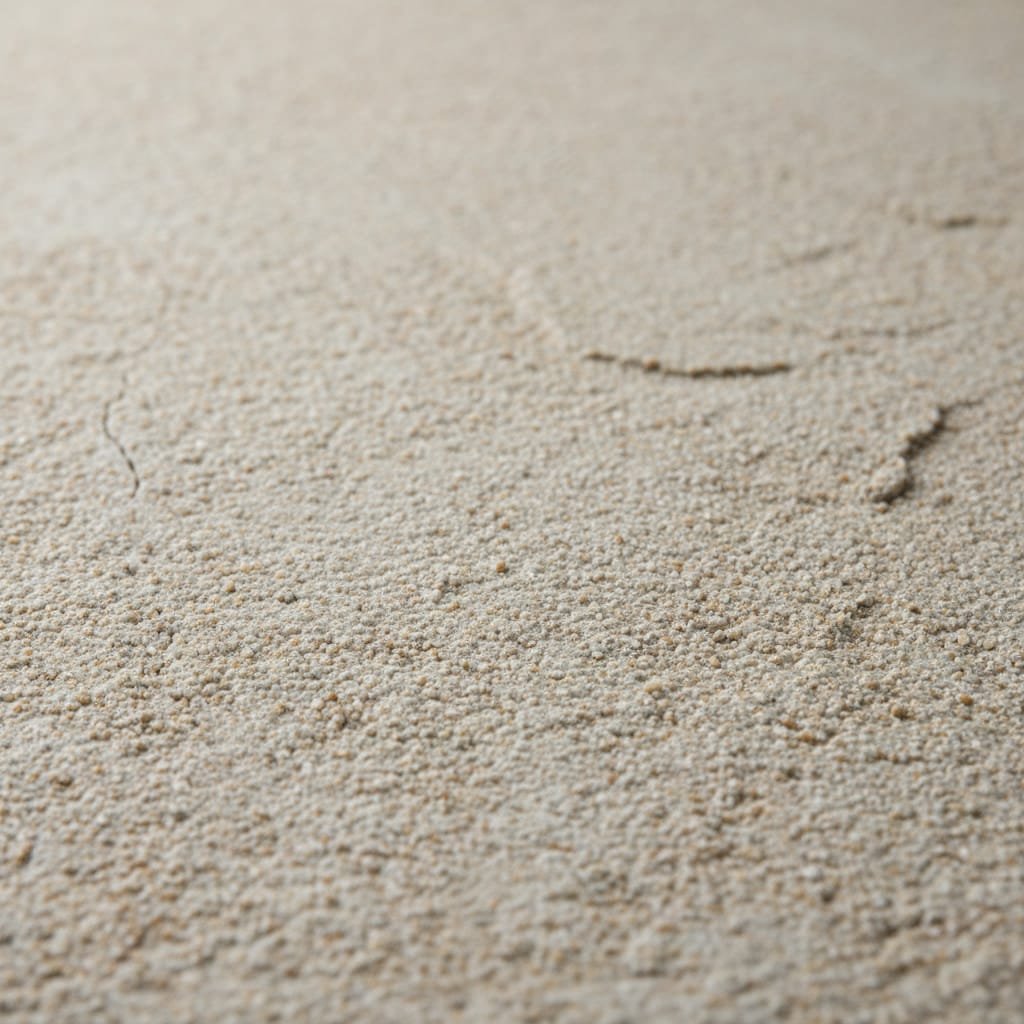
Stabilised Sand is a controlled blend of sand, cement, and water designed to create a firm, semi-bound material that sits between loose sand and full concrete. Once mixed, it compacts into a cohesive, stable layer that holds its shape while still being easier to work and trim than concrete.
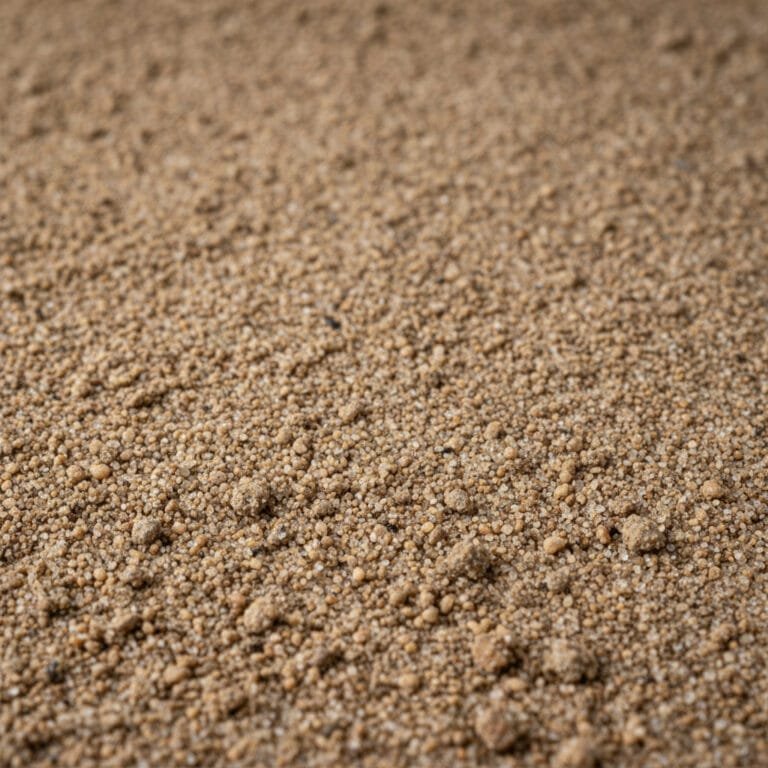
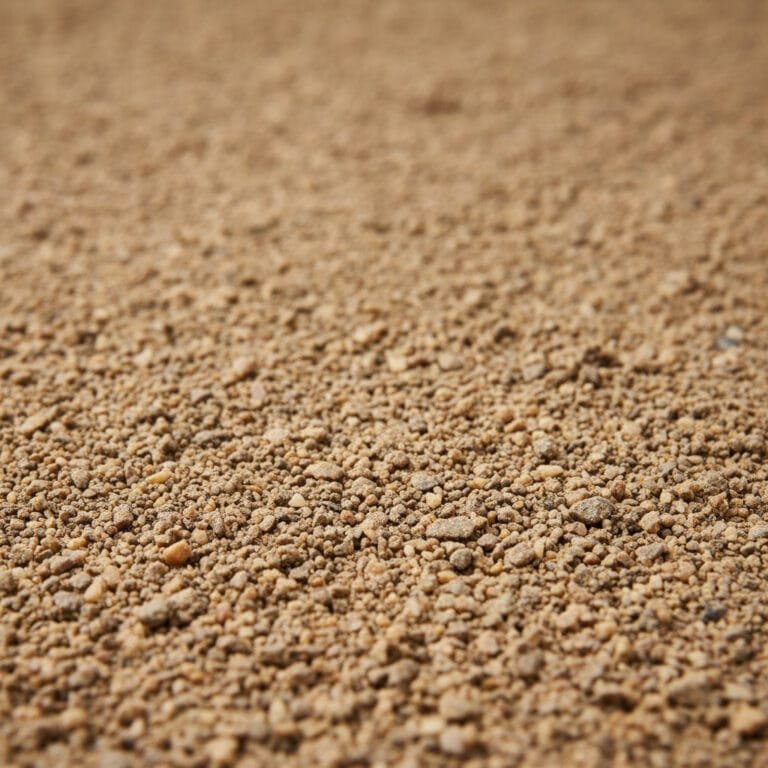
The material looks like slightly damp, compacted sand with a subtle cement binder: grains remain visible, but are lightly coated and unified by cement paste, giving an overall pale sandy-grey appearance. This stabilisation significantly improves strength, stability, and resistance to washout, making it ideal for bedding and backfilling applications where consistent support is required.
Key characteristics:
Usage
Stabilised Sand is widely used by civil contractors, plumbers, builders, and landscapers in structural and service installations:
Bedding & Pipe Support
Levelling & Under-Slab/Sub-Base Layers
Backfilling & Trench Stabilisation
Thermal & Utility Projects
Application Tips: