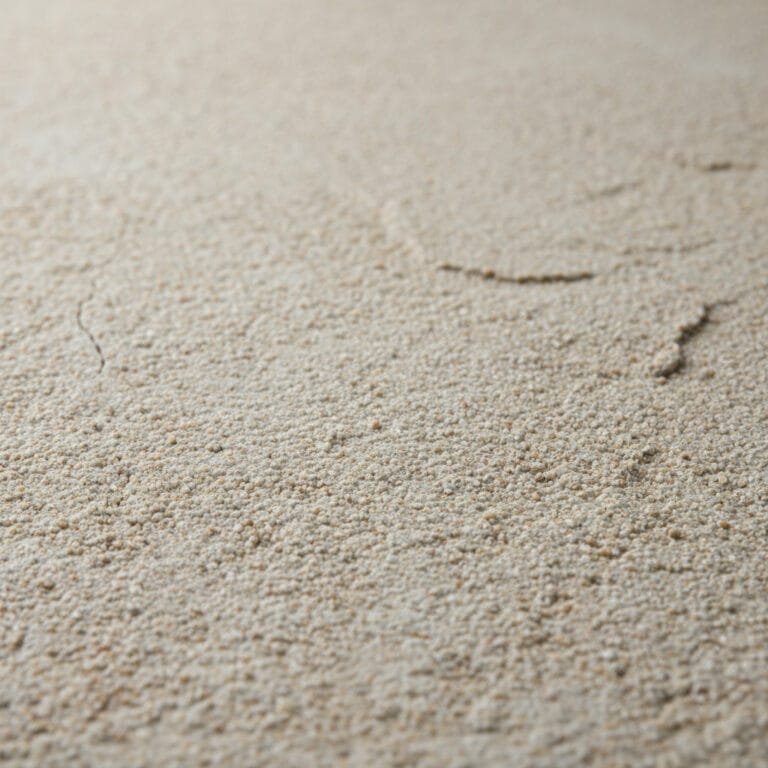
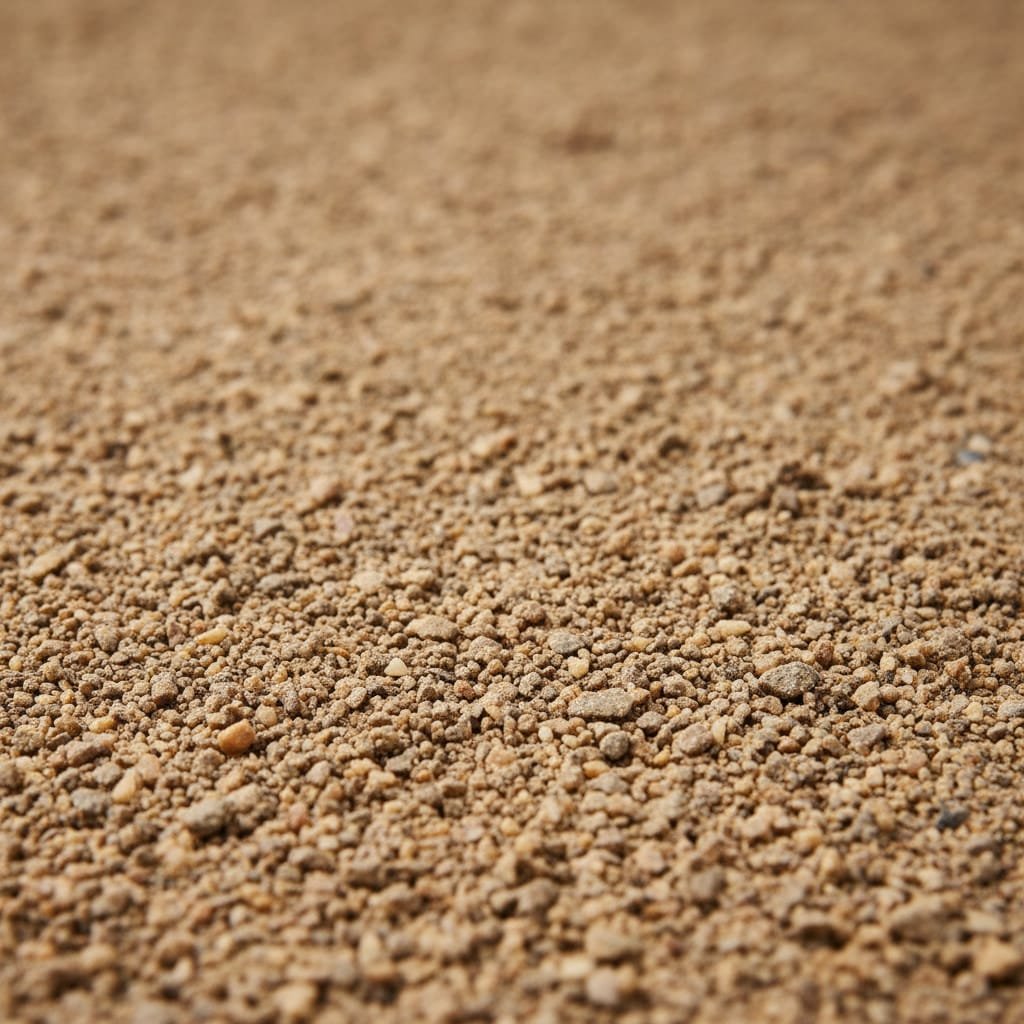
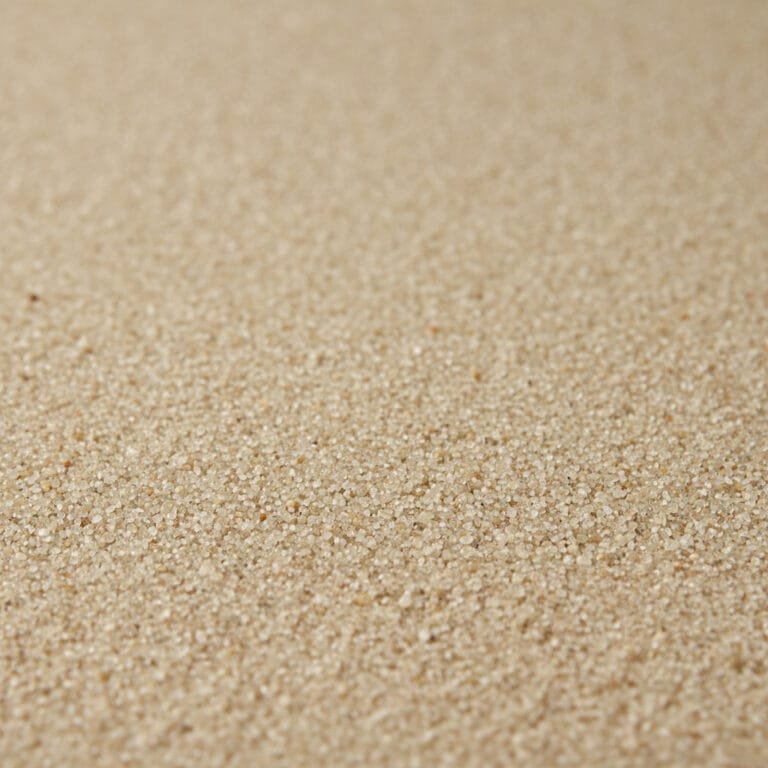
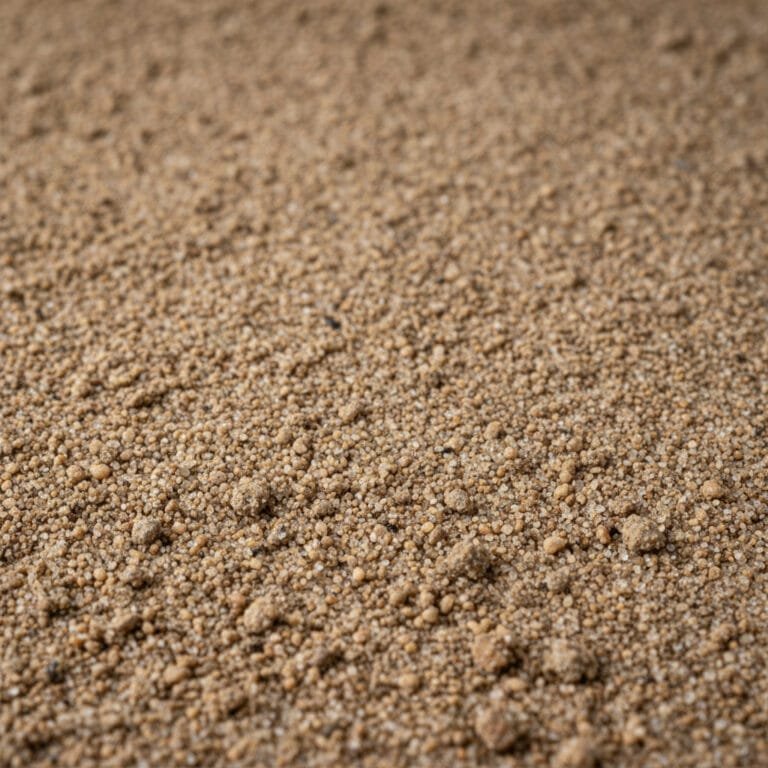
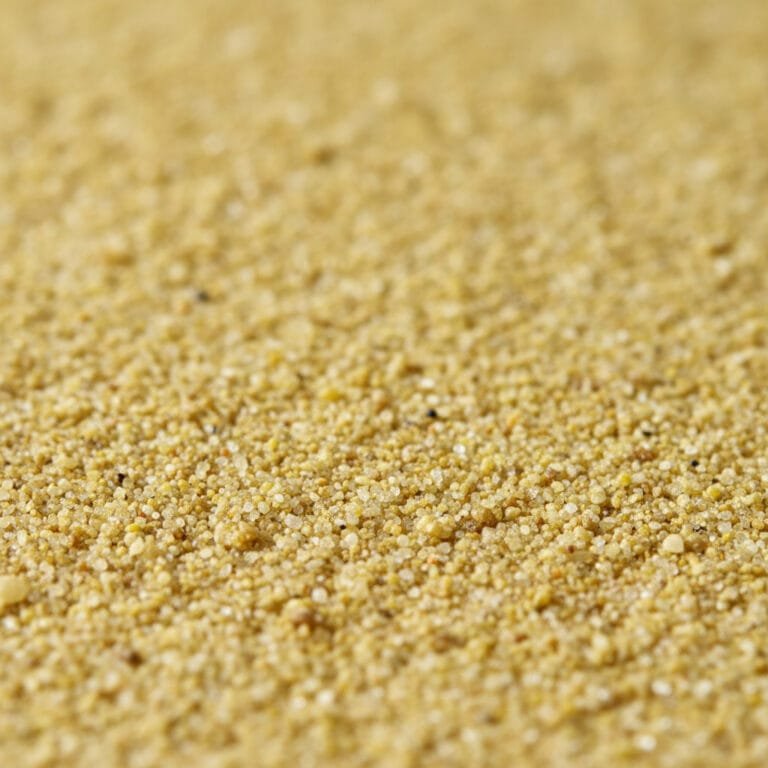
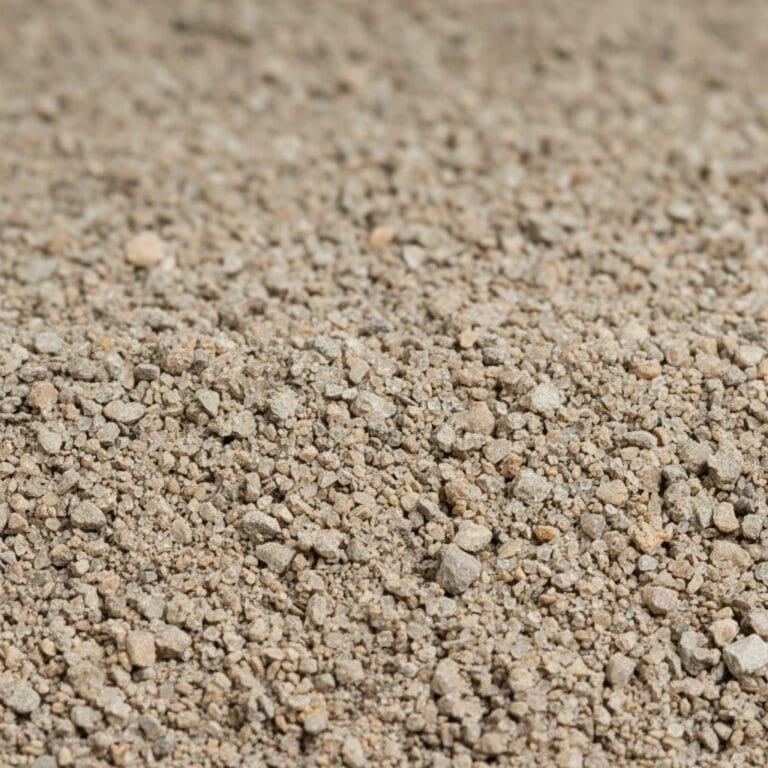
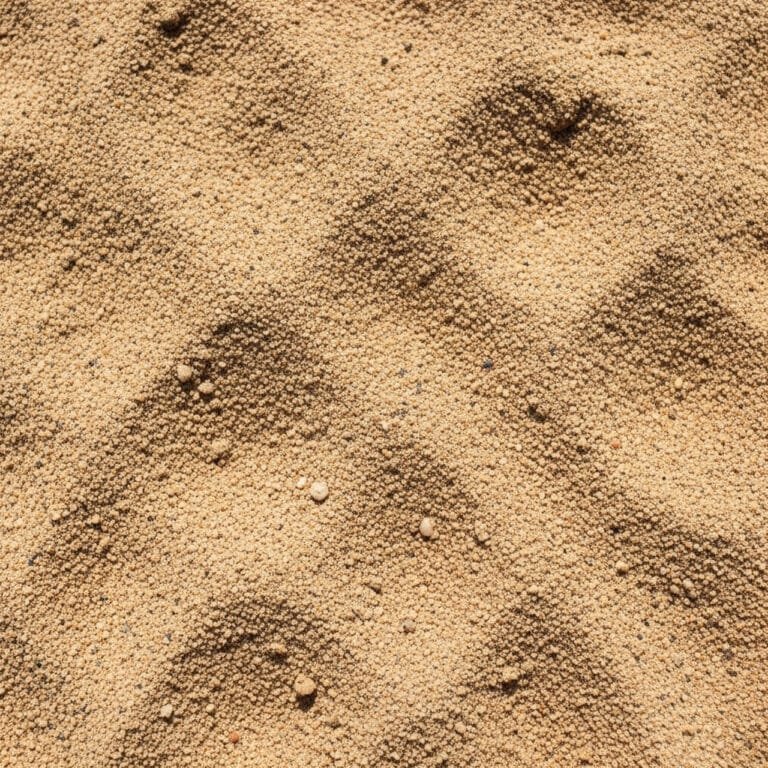
The material typically ranges in colour from light tan and brown through to subtle reddish tones, depending on the natural clay and aggregate content. Its slightly damp, dense texture allows it to be easily worked, shaped, and compacted, making it ideal for use under slabs, pavers, and as a general-purpose fill where strength and minimal movement are required.
Key characteristics:
- Very coarse, gritty clay–sand blend
- Excellent compaction and binding properties
- Natural colour variation (tan, brown, reddish tones)
- Dense, stable finish when compacted correctly
Usage
Packing Sand is commonly used across residential, commercial, and landscaping projects where a strong, well-compacted sub-base is needed:
Under Concrete Slabs
- Used as a base layer beneath concrete slabs for sheds, patios, pathways, and small foundations.
- Provides a firm, level, and stable platform that reduces movement and helps prevent cracking.
Paving and Hardscapes
- Ideal as a bedding and base layer for pavers, stepping stones, and outdoor tiles.
- Its clay content helps it lock together under compaction, minimising sinking and shifting of pavers over time.
General Fill
- Suitable as structural fill in areas that need to be built up and compacted, such as around retaining walls, under driveways (beneath other base materials), and in low spots requiring a firm fill.
- Used where you need bulk, strength, and reduced voids after compaction.
Edge Restraints and Curb Work
- Can be used behind garden edging, kerbs, and small retaining structures to help hold them in place once compacted.
Application Tips:
- Place in layers and compact thoroughly (with a hand tamper or mechanical compactor) for best results.
- Ensure correct moisture content – slightly damp material compacts better and binds more effectively than very dry sand.
- Always check local engineering or council requirements for slab and base construction where applicable.